The Thalidomide Disaster: How a Morning Sickness Drug Exposed Drug-Testing Failures
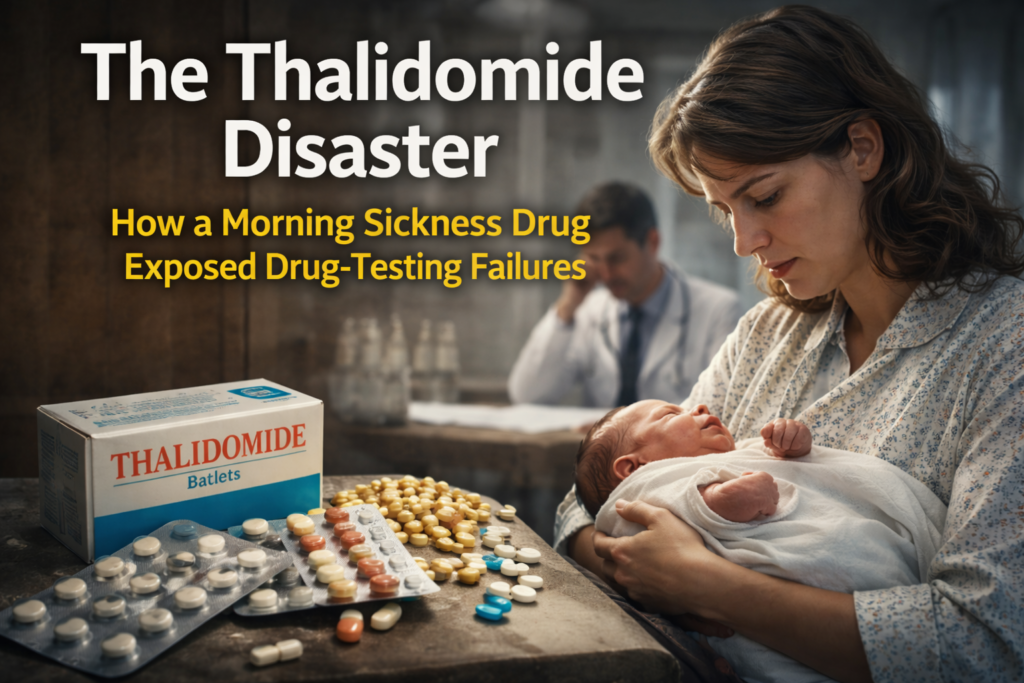
In the late 1950s, a new drug entered the market with an almost perfect reputation. It was gentle. It was modern. It was marketed as safe enough for pregnant women. Doctors prescribed it for anxiety, insomnia, and especially for morning sickness. Its name was thalidomide. For thousands of families, it felt like relief in a pill. Within a few years, it became one of the greatest medical disasters in history. A drug built on trust, not evidence Thalidomide was first developed in West Germany and promoted as a non-addictive, non-toxic sedative. Early testing focused on adult animals and basic toxicity. It did not cause obvious immediate harm. At the time, drug testing standards were minimal compared to modern protocols. Long-term…
— Preview ends here
Most articles stop at the surface. This piece goes deeper — adding context, nuance, and implications that help you understand why the topic matters, not just what happened.