The Opioid Crisis Explained: How Prescription Painkillers Rewired Addiction Pathways
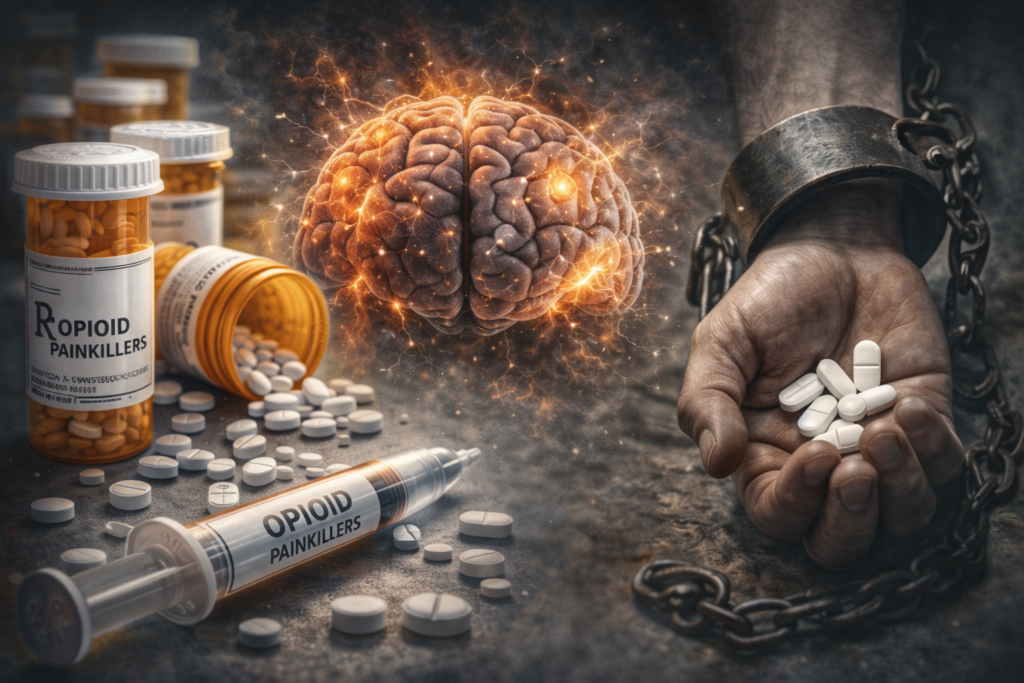
In the late 1990s, a quiet promise entered clinics and hospitals: pain could be controlled more effectively, compassionately, and safely than ever before. New prescription opioids were framed as medical progress—precise tools for suffering that would restore function without the chaos of illicit drugs. Within two decades, that promise unraveled into a public health emergency that reshaped brains, families, and entire communities. The opioid crisis is often described in numbers—overdose counts, prescriptions written, lives lost. But beneath the statistics lies a biological story: how repeated exposure to powerful painkillers rewired reward, stress, and decision-making pathways in the human brain. What opioids do inside the brain Opioids work by binding to specific receptors distributed throughout the nervous system. In the short…
— Preview ends here
Most articles stop at the surface. This piece goes deeper — adding context, nuance, and implications that help you understand why the topic matters, not just what happened.