The Ebola Outbreak of 2014: Viral Transmission, Immune Failure, and Global Preparedness Gaps
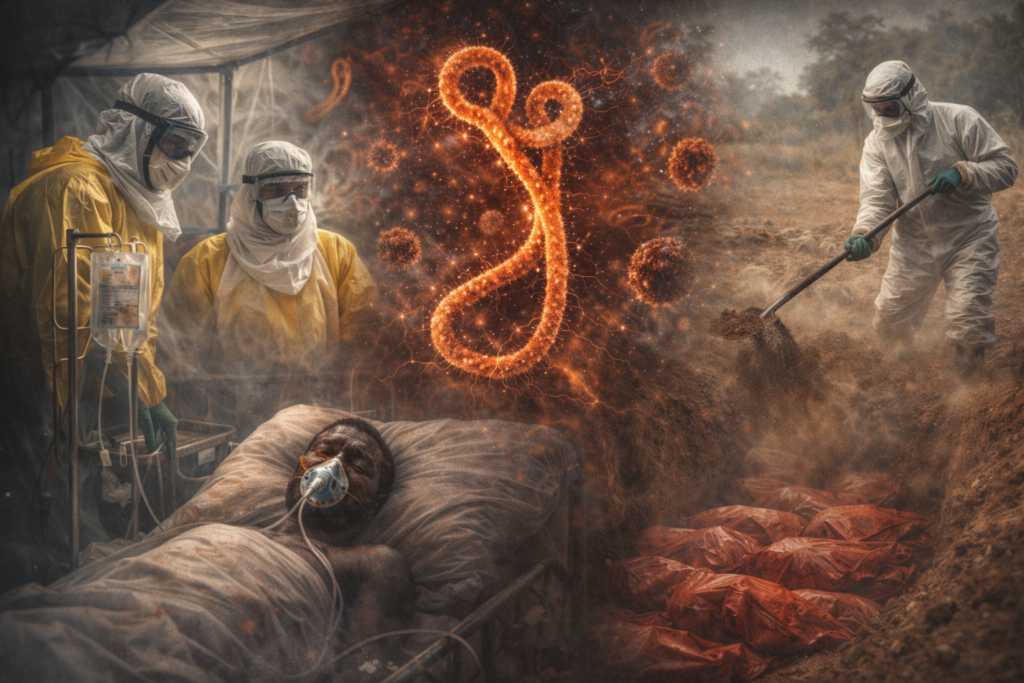
In early 2014, a cluster of unexplained deaths began appearing in rural Guinea. Patients developed fever, weakness, and gastrointestinal distress. Then came bleeding, shock, and rapid collapse. Local clinics were unprepared. Protective equipment was scarce. By the time laboratories confirmed Ebola virus, the outbreak had already crossed borders. What followed became the largest Ebola epidemic in history—not because the virus had changed, but because the systems meant to stop it failed under pressure. A virus built for rapid devastation Ebola is a filovirus that spreads through direct contact with bodily fluids—blood, vomit, diarrhea, sweat, and contaminated surfaces. It is not airborne, but it is unforgiving. Once inside the body, the virus targets immune cells, particularly macrophages and dendritic cells. These…
— Preview ends here
Most articles stop at the surface. This piece goes deeper — adding context, nuance, and implications that help you understand why the topic matters, not just what happened.