The DES Drug Scandal: Prenatal Hormones and the Rise of Rare Reproductive Cancers
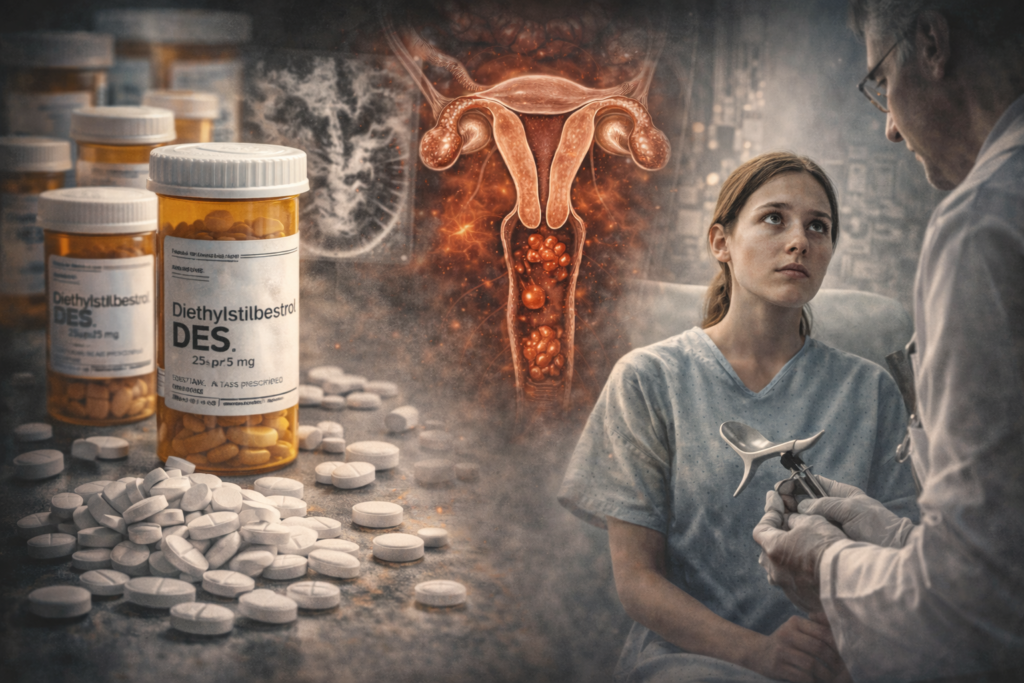
In the 1940s, a synthetic hormone entered obstetric medicine with quiet confidence. It was prescribed to millions of pregnant women to prevent miscarriage, stabilize pregnancy, and protect unborn children. Doctors considered it modern, scientific, and reassuring. The drug was diethylstilbestrol—DES. Decades later, young women with no obvious risk factors began developing an extremely rare cancer of the vagina and cervix. Physicians were confused. The patients were too young. The disease was too uncommon. Slowly, a disturbing pattern emerged—one that traced back not to the women themselves, but to something their mothers had taken while pregnant. The DES scandal revealed how prenatal hormone exposure could permanently alter reproductive biology, reshaping medical ethics around pregnancy, drug testing, and intergenerational risk. Why DES…
— Preview ends here
Most articles stop at the surface. This piece goes deeper — adding context, nuance, and implications that help you understand why the topic matters, not just what happened.