James Webb’s First Images Revealed Galaxies That Shouldn’t Exist Yet
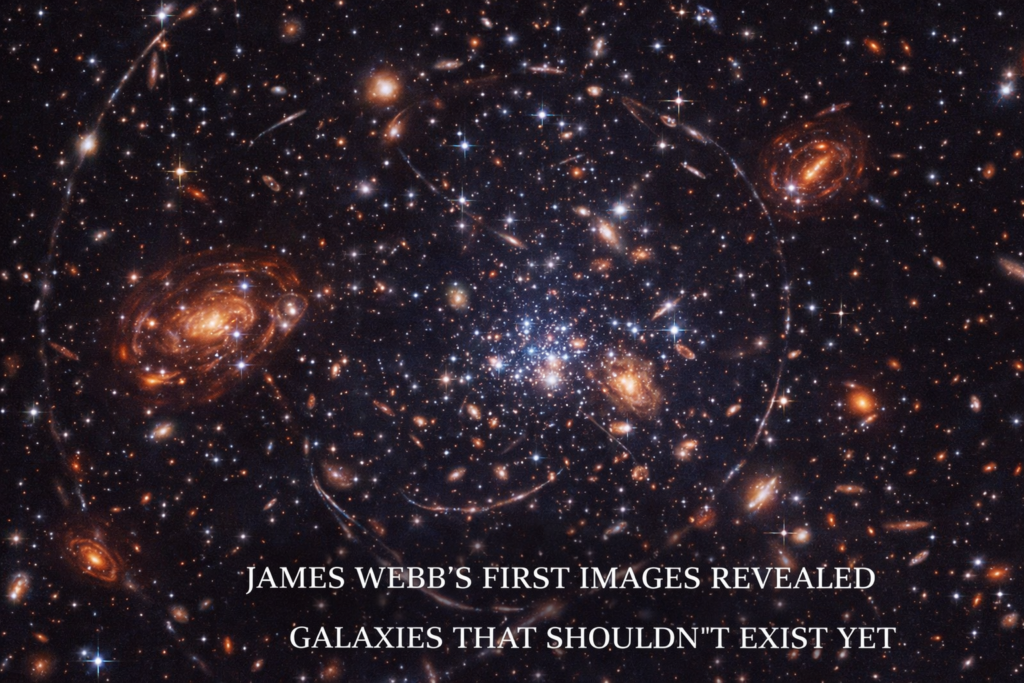
When NASA released the first full-color images from the James Webb Space Telescope in July 2022, the reaction was immediate and emotional. Nebulae glowed with impossible clarity. Star fields stretched deeper than any human eye had ever seen. But beneath the awe, something else unsettled astronomers. Some of the galaxies in those images appeared far too mature for the age of the universe they inhabited. Looking Back Further Than Ever Before James Webb was designed to see the early universe by detecting infrared light—light stretched and reddened by billions of years of cosmic expansion. In theory, this meant Webb could observe galaxies forming just a few hundred million years after the Big Bang. In practice, it meant peering into a…
— Preview ends here
Most articles stop at the surface. This piece goes deeper — adding context, nuance, and implications that help you understand why the topic matters, not just what happened.