Igor Stravinsky’s Headstand Ritual: An Unusual Creativity Reset
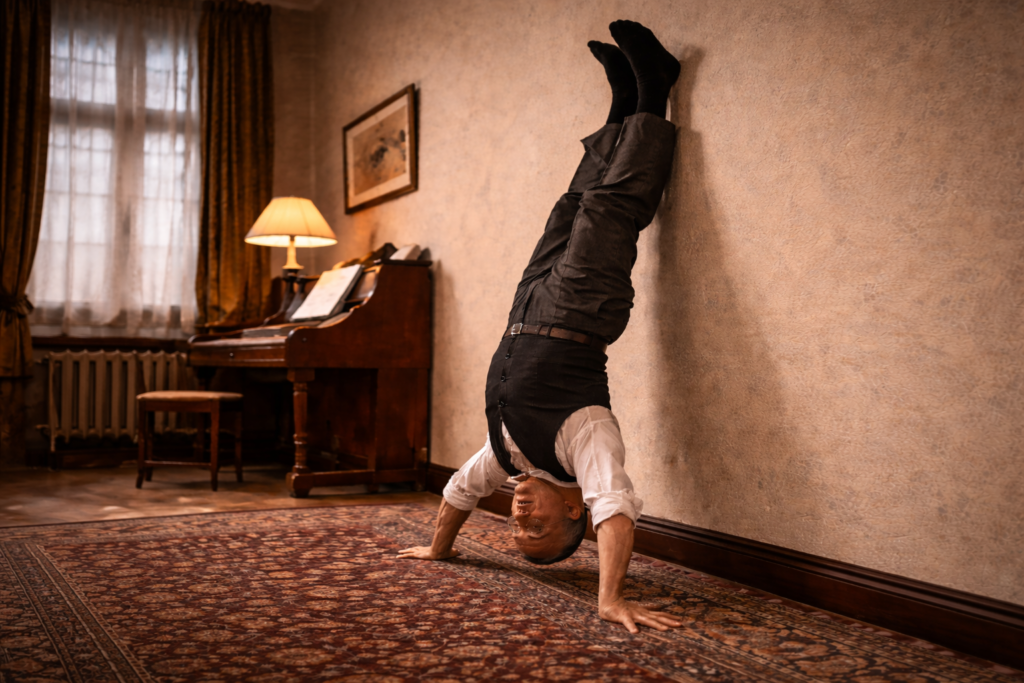
Igor Stravinsky did not wait for inspiration to arrive politely. When his mind stalled, he didn’t pace the room or stare at the piano. He turned himself upside down. Literally. At moments of creative stagnation, Stravinsky would perform a headstand—sometimes against a wall, sometimes freestanding—and remain there for several minutes. To outsiders, it sounded like a circus trick. To him, it was a reset button. This wasn’t superstition. It was strategy. A Composer Who Distrusted Mood :contentReference[oaicite:0] lived by structure, not feeling. He rejected the romantic idea that creativity flowed best from emotion or spontaneity. For Stravinsky, art was built through discipline, systems, and deliberate constraint. Mood was unreliable. The body, however, was mechanical. When thought became repetitive or stale,…
— Preview ends here
Most articles stop at the surface. This piece goes deeper — adding context, nuance, and implications that help you understand why the topic matters, not just what happened.