Factory Floor Confusion: The Accident That Gave Us QR Codes
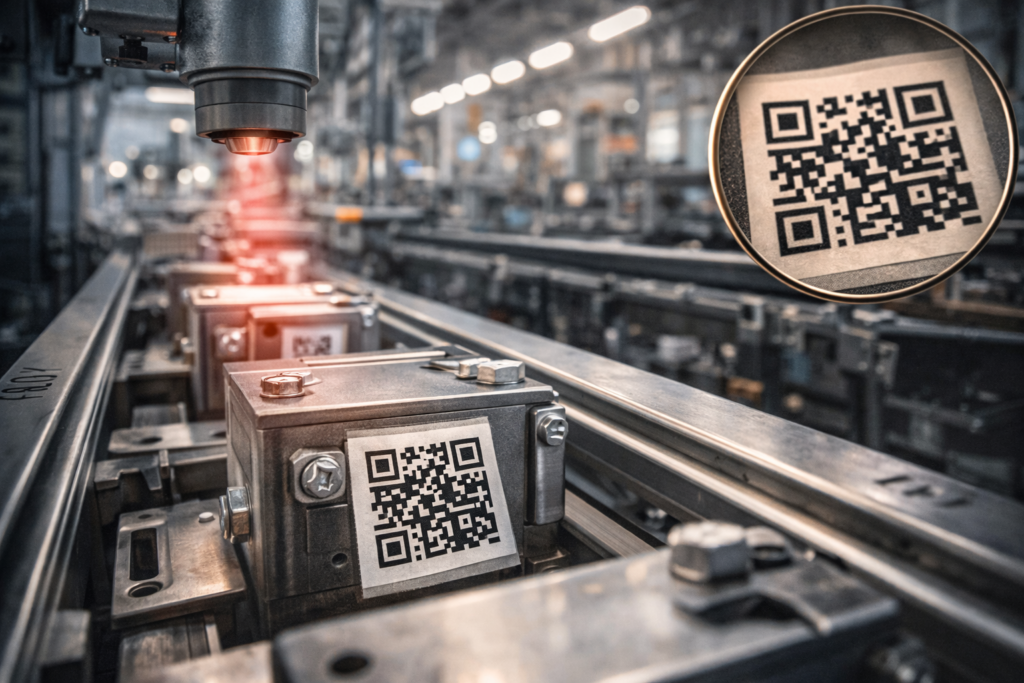
The factory line never truly sleeps. Metal parts slide past scanners. Conveyor belts hum. Boxes roll forward in silent agreement with schedules set far away in offices. In the mid-1990s, inside a Toyota subsidiary manufacturing plant in Japan, one small problem kept surfacing. Barcodes were slowing everything down. Not because they were broken. Not because they were unreliable. Because they were no longer enough. The Limits of the Barcode Era Traditional barcodes were designed to store only a small amount of information. A product ID. A part number. Nothing more. On modern factory floors, each component increasingly needed to carry multiple layers of data: Part origin Batch number Manufacturing date Destination Assembly instructions Barcodes required multiple scans to retrieve all…
— Preview ends here
Most articles stop at the surface. This piece goes deeper — adding context, nuance, and implications that help you understand why the topic matters, not just what happened.