Chernobyl’s Radiation Legacy: Thyroid Cancer, Genetic Damage, and Long-Term Health Risks
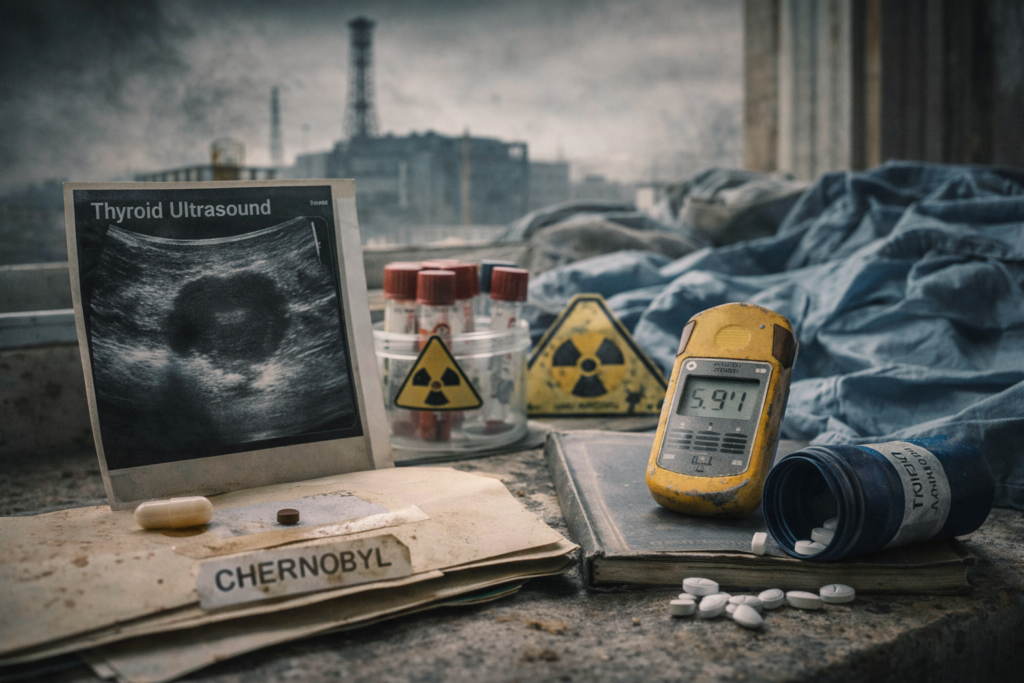
On April 26, 1986, a reactor at the Chernobyl Nuclear Power Plant exploded during a late-night safety test. The blast was brief. The consequences were not. Radioactive material shot into the atmosphere, invisible and odorless, drifting across Ukraine, Belarus, Russia, and much of Europe. Sirens did not warn nearby residents. Many continued their daily routines, unaware that their bodies were already being exposed to something that would shape their health for decades. Chernobyl was not only a nuclear accident. It became one of the largest unintended human experiments in radiation exposure. What radiation does inside the body Ionizing radiation damages cells by breaking DNA strands. Sometimes the body repairs this damage. Sometimes it does not. When repair fails, mutations can…
— Preview ends here
Most articles stop at the surface. This piece goes deeper — adding context, nuance, and implications that help you understand why the topic matters, not just what happened.