A WWII Veteran’s Need: The Invention of Electric Wheelchairs
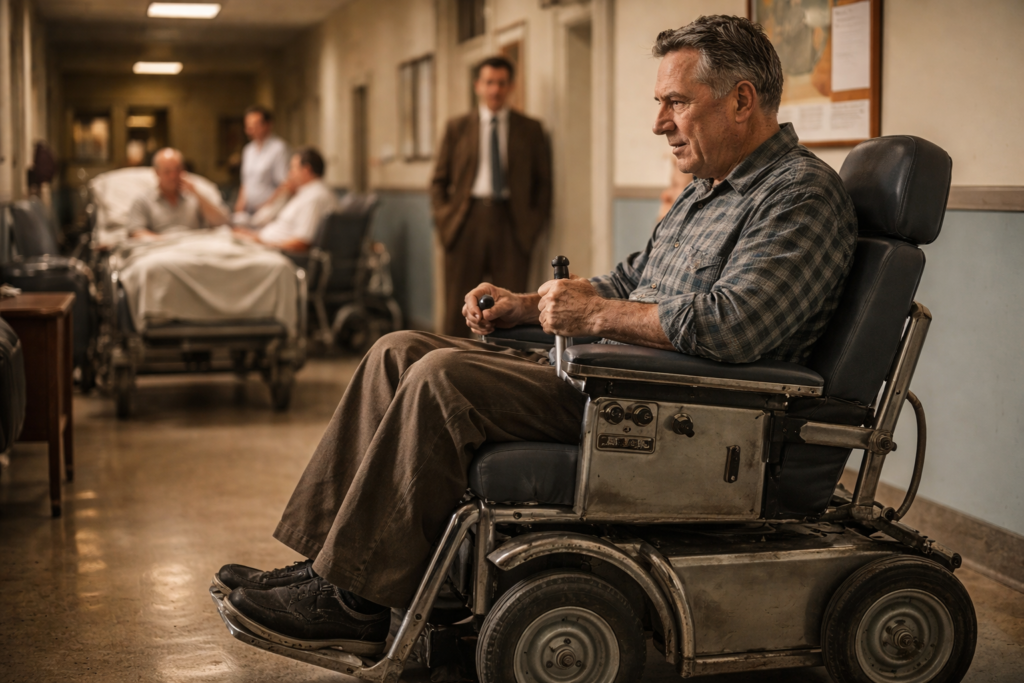
The hospital corridor smelled faintly of disinfectant and warm metal. Beds lined the walls. Some patients slept. Others stared at ceilings, trapped in bodies that no longer obeyed simple commands. George Klein walked slowly through the ward, stopping occasionally to speak with veterans who had survived the war but lost something else in the process — mobility. Many could think clearly. Many could speak. Many could work. They simply could not move themselves from one place to another. For Klein, this was not a philosophical problem. It was an engineering failure. Before Electric Mobility Wheelchairs had existed for centuries. They were human-powered. Pushed by caregivers. Or propelled manually by the user’s arms. For people with paralysis, severe muscle weakness, or…
— Preview ends here
Most articles stop at the surface. This piece goes deeper — adding context, nuance, and implications that help you understand why the topic matters, not just what happened.