A WWII Lens Mistake: How Super Glue Accidentally Bonded the World
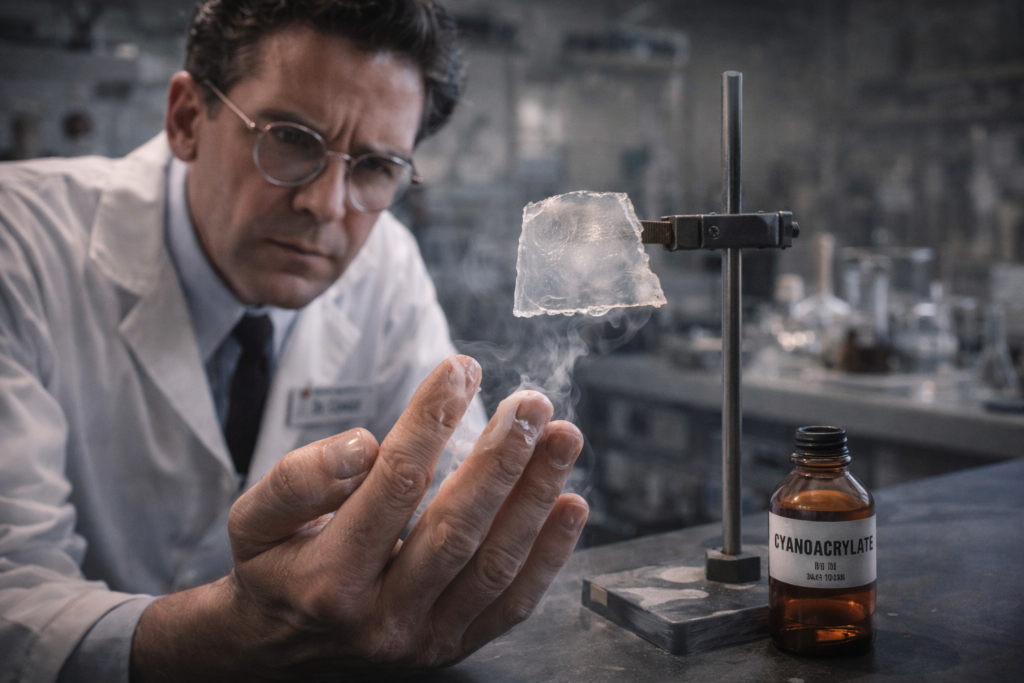
The air inside the lab was sharp with chemical fumes. Glass beakers sat in uneven rows. A young chemist held up a cloudy plastic sample, frowning. It was supposed to be clear. It was supposed to become a precision gun-sight lens. Instead, it kept sticking to everything it touched. The material clung to metal. To glass. To skin. To itself. From a weapons-research perspective, this was useless. From a historical perspective, it was the birth of one of the most recognizable adhesives ever created. A Failure Inside a War Project In 1942, Harry Coover Jr. was working for Eastman Kodak on materials for clear plastic gun sights. The goal was to develop transparent polymers with optical clarity and durability. During…
— Preview ends here
Most articles stop at the surface. This piece goes deeper — adding context, nuance, and implications that help you understand why the topic matters, not just what happened.