Henrik Ibsen’s Rival Portrait Stare: Motivation Fueled by Competition
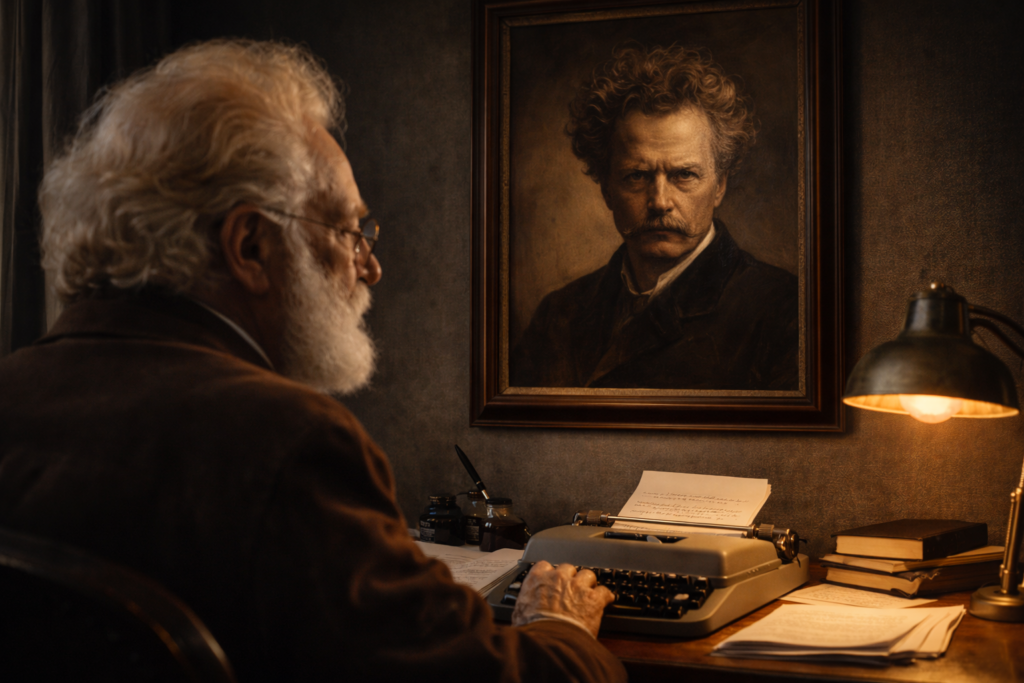
Henrik Ibsen did not rely on affirmations or gentle self-encouragement. When his energy dipped or his confidence wavered, he turned toward something far less comforting. He stared at his rival. More precisely, at a portrait of August Strindberg—another towering writer, another restless ego—hung deliberately where Ibsen could not ignore it. The gaze was not admiration. It was provocation. This was not pettiness. It was fuel. A Creative World Built on Comparison :contentReference[oaicite:0] worked in an era where artistic reputation mattered intensely. Writers were not distant names on spines; they were living competitors, read side by side, compared openly, debated relentlessly. Success was never abstract. It had a face. For Ibsen, that face belonged to Strindberg—a younger, volatile, fiercely ambitious playwright…
— Preview ends here
Most articles stop at the surface. This piece goes deeper — adding context, nuance, and implications that help you understand why the topic matters, not just what happened.