Rosalind Franklin’s DNA Photograph: The Image That Quietly Changed Biology
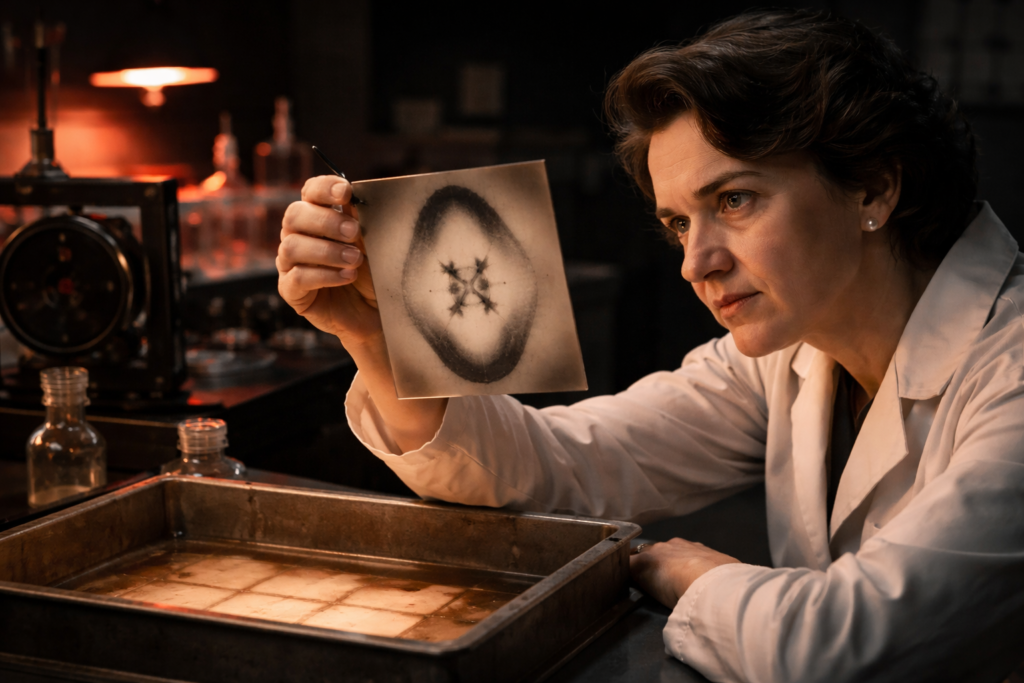
In 1952, inside a quiet basement laboratory in London, a photograph was developed that would reshape biology. It was not colorful. Not dramatic. Not immediately celebrated. It showed a blurry X-shaped pattern—white smudges against a dark background. To most people, it looked meaningless. To those who understood it, the image was unmistakable. DNA had a structure. And for the first time, it was visible. A Scientist Working in the Shadows :contentReference[oaicite:0] did not set out to make history. She was trained as a chemist and had become an expert in X-ray crystallography—a technique that reveals molecular structures by analyzing how X-rays scatter through matter. At King’s College London, Franklin was assigned to study DNA fibers. It was tedious work. The…
— Preview ends here
Most articles stop at the surface. This piece goes deeper — adding context, nuance, and implications that help you understand why the topic matters, not just what happened.