The 1918 Spanish Flu: How a Virus Overwhelmed the Human Immune System Worldwide
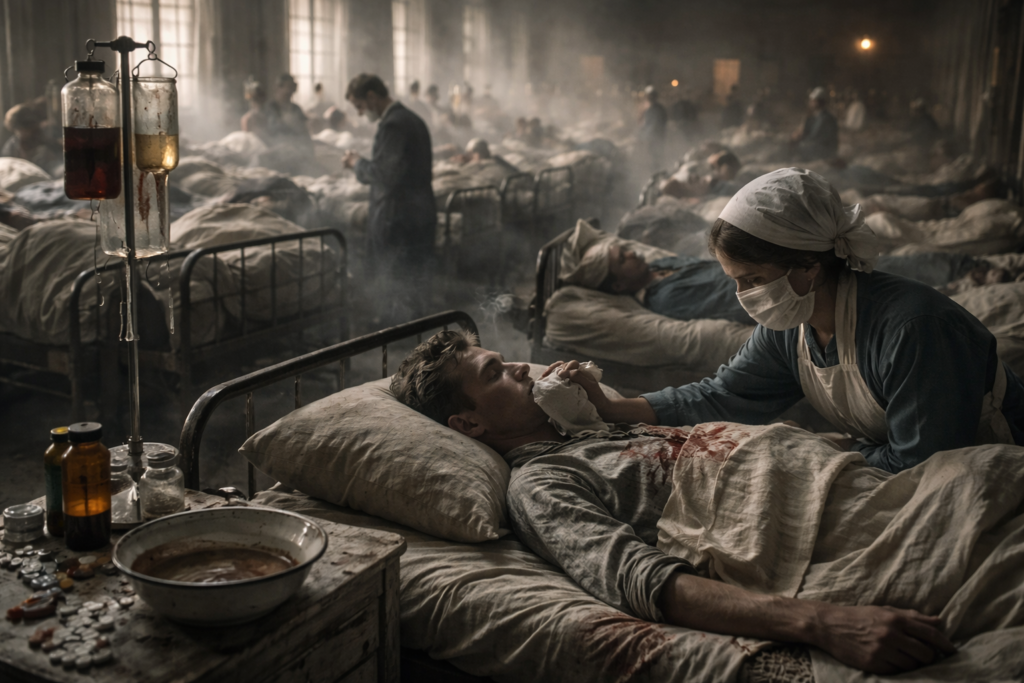
In the spring of 1918, the world was already exhausted. World War I had drained nations of young men, resources, and stability. Troop trains crossed continents. Crowded camps, ships, and hospitals blurred borders. Into this fragile moment arrived a virus that would kill more people than the war itself. It was later called the Spanish Flu, though Spain was not its origin. The name stuck only because Spain’s uncensored press reported it first. Everywhere else, silence disguised the scale of disaster. The influenza pandemic of 1918 would infect an estimated one-third of humanity and kill at least 50 million people. What made it uniquely terrifying was not just how fast it spread—but how violently it turned the human immune system…
— Preview ends here
Most articles stop at the surface. This piece goes deeper — adding context, nuance, and implications that help you understand why the topic matters, not just what happened.