The Tuskegee Syphilis Study: How Untreated Infection Reshaped Medical Ethics Forever
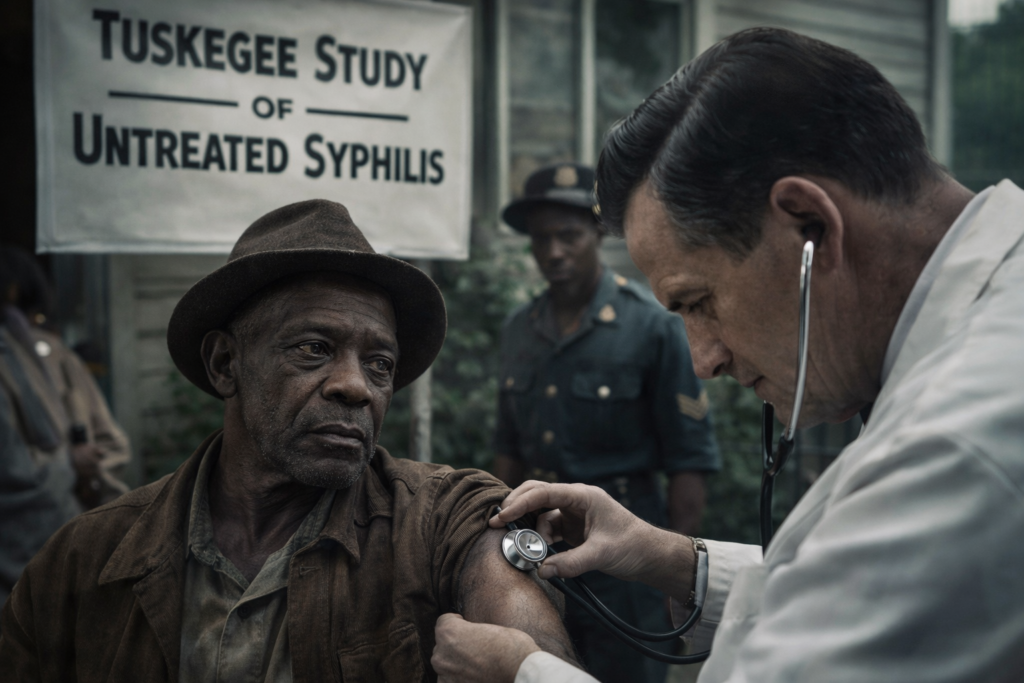
In 1932, a public health study began in rural Alabama with a promise that sounded harmless: free medical care for poor men suffering from “bad blood.” The phrase was vague, familiar, and intentionally comforting. What the men enrolled did not know was that they were stepping into one of the most disturbing chapters in modern medical history—one that would quietly run for forty years and permanently change how medicine thinks about ethics, consent, and trust. The Tuskegee Syphilis Study was not an accident. It was a deliberate design choice, sustained by institutions, silence, and the belief that scientific knowledge could be extracted without moral accountability. What the study was meant to observe The study was organized by the U.S. Public…
— Preview ends here
Most articles stop at the surface. This piece goes deeper — adding context, nuance, and implications that help you understand why the topic matters, not just what happened.