Neuralink’s Early Experiments That Opened the Human Brain Debate
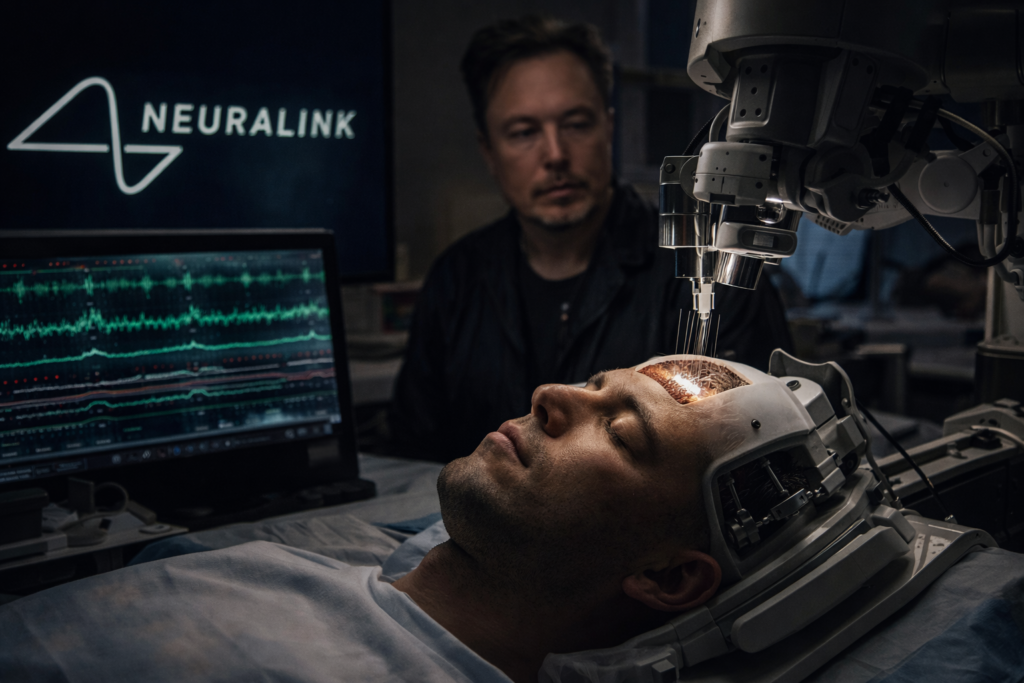
In a quiet operating room, a human skull was opened not to remove disease, but to insert possibility. Threads thinner than human hair were guided into the brain with robotic precision, promising a future where thoughts could be translated into action without muscle or speech. Outside the lab, applause and alarm rose almost simultaneously. The Experiments conducted by , founded by , did not arrive as a sudden scientific leap. They emerged at the intersection of ambition, medical need, ethical uncertainty, and a long human desire to merge mind and machine. What makes Neuralink historically significant is not only what it attempts—but how quickly it has pushed from theory into living brains. A Familiar Dream with Unfamiliar Speed The idea…
— Preview ends here
Most articles stop at the surface. This piece goes deeper — adding context, nuance, and implications that help you understand why the topic matters, not just what happened.