The So-Called Curse of Tutankhamun’s Tomb After Its Discovery in 1922
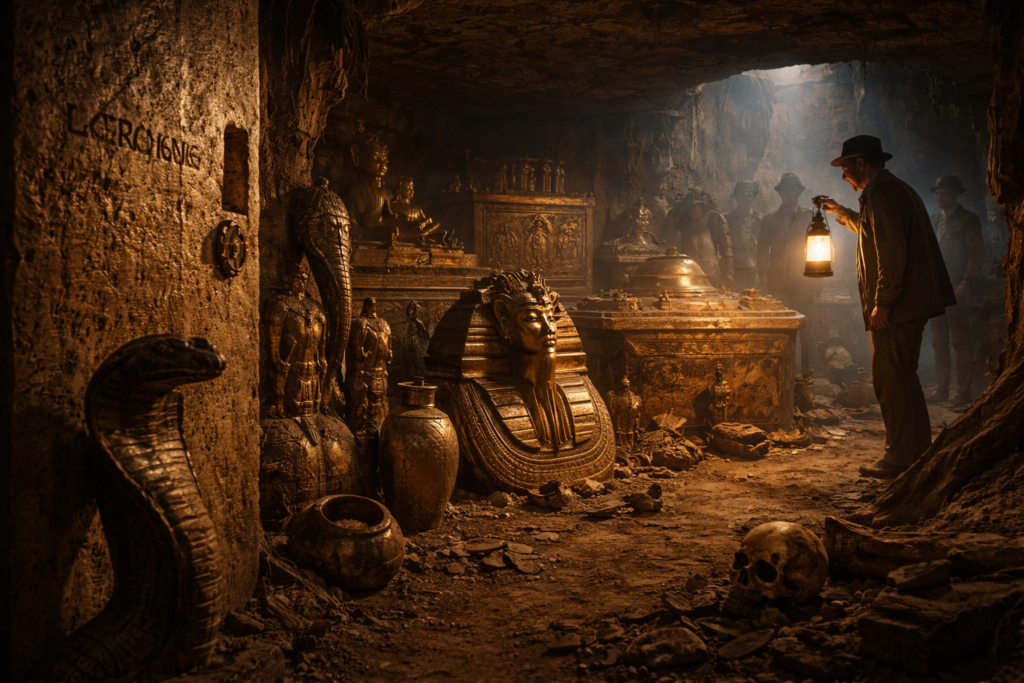
When the sealed doorway to Tutankhamun’s tomb was breached in November 1922, the world did not immediately think of curses. It thought of gold, history, and triumph. Newspapers celebrated the greatest archaeological discovery of the modern age. Yet within months, celebration began to curdle into unease, and awe slowly transformed into fear. The idea of a curse did not emerge from ancient hieroglyphs alone. It grew from coincidence, colonial anxiety, sensational journalism, and death arriving at the wrong moment. What followed was less a supernatural event than a psychological one—history colliding with myth in a way that proved impossible to separate. The Discovery That Captured the World The tomb of was discovered by British archaeologist in Egypt’s Valley of the…
— Preview ends here
Most articles stop at the surface. This piece goes deeper — adding context, nuance, and implications that help you understand why the topic matters, not just what happened.