Rosalind Franklin’s DNA Work Was Overlooked — Science Is Still Reckoning With It
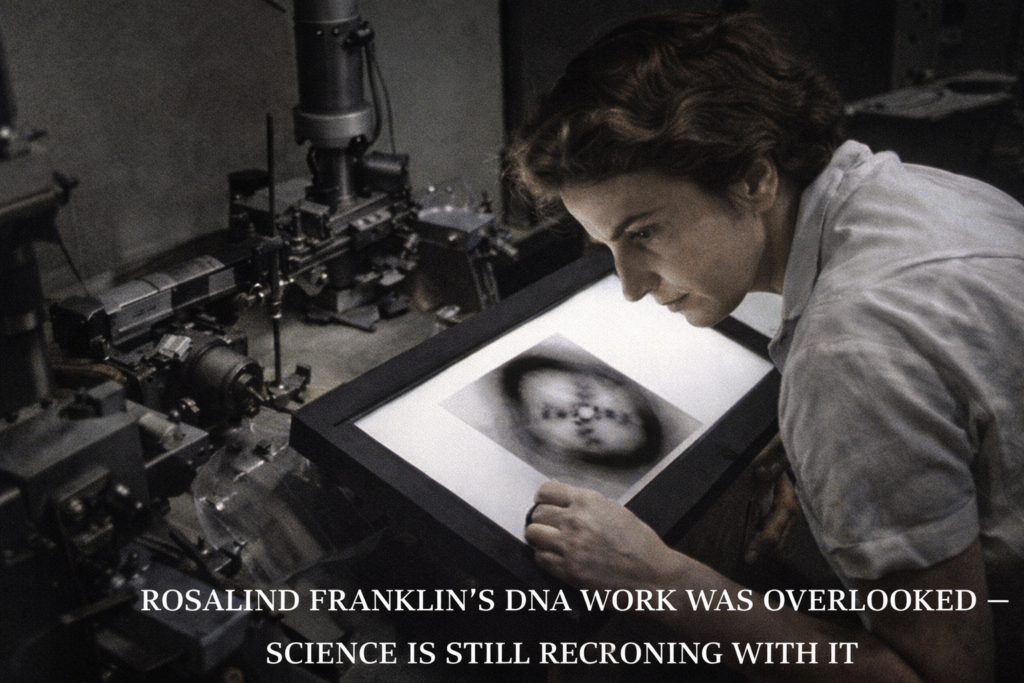
In the early 1950s, inside a dimly lit laboratory at King’s College London, a scientist adjusted her equipment with meticulous care. X-ray beams struck strands of DNA. Photographic plates captured patterns no one fully understood yet. The image that emerged would later be called Photo 51. Its significance was enormous. The recognition was not. The Photograph That Changed Biology Photo 51 revealed DNA’s structure with stunning clarity. The distinctive X-shaped pattern pointed unmistakably toward a helical form. To trained eyes, it wasn’t just suggestive. It was decisive. The person who captured and interpreted that image was Rosalind Franklin, a chemist and X-ray crystallographer whose work demanded patience, precision, and deep physical insight. Yet when the double-helix model of DNA was…
— Preview ends here
Most articles stop at the surface. This piece goes deeper — adding context, nuance, and implications that help you understand why the topic matters, not just what happened.